Swiss pensions · 3 min read
AHV when you stop early: how to avoid gaps in your pension
Stop working at 45 and your AHV pension can shrink for life. How contribution years work, what non-employed people pay and how to close the gap.
Education, not financial advice. Use at your own risk. Read the full disclaimer
In short
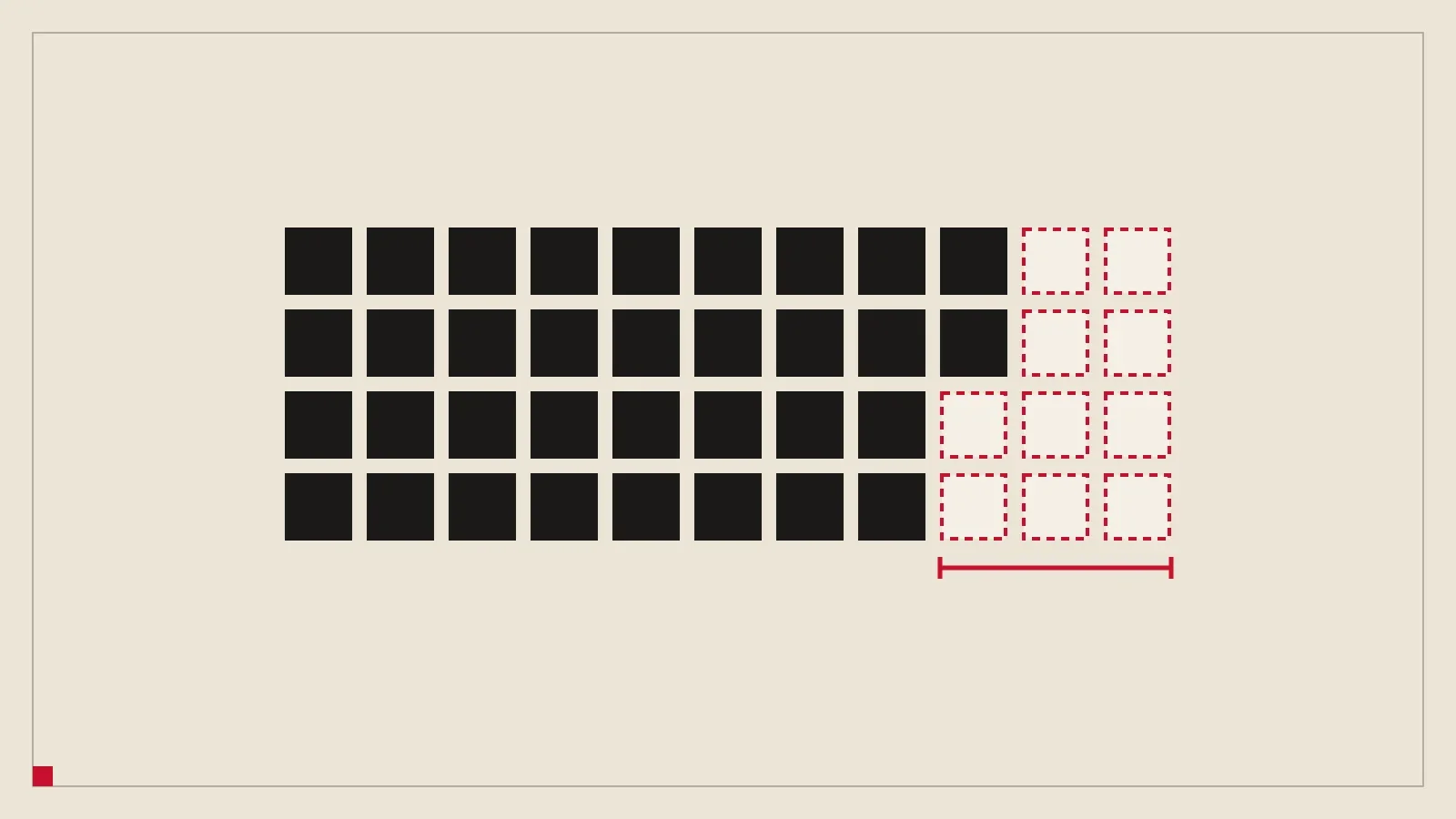
- A full AHV pension needs 44 contribution years, and each missing year cuts it by about 2.3% for life.
- If you stop working you still owe AHV contributions as a non-employed person, unless your working spouse pays enough.
- Paying a few thousand francs a year to fill the gaps usually costs less than the pension you would lose, so put it in your budget.
The AHV pension is the part of your retirement that is paid for life and adjusted over time. Many early retirees forget one thing: it depends on contribution years, and stopping work stops them unless you act.
How the pension is built
A full pension needs 44 contribution years, counted from age 21 until the reference age. Every missing year reduces the pension by 1/44, about 2.3%, for the rest of your life. The maximum full pension for a single person is about CHF 2,520 a month, before the 13th payment that starts in December 2026. Your actual pension also depends on your average earnings over your career.
Example Someone stops at 45 after 24 contribution years and pays nothing for the next 20. Their pension is 24/44 of the full amount, about CHF 1,375 a month instead of CHF 2,520. That is CHF 1,145 a month, or about CHF 13,700 a year, lost for life.
You still owe contributions
Leaving paid work does not end the obligation to pay AHV. People with no work income pay as non-employed persons until the reference age. The amount depends on wealth and on any pension income. It starts at about CHF 530 a year and rises to a maximum of about CHF 26,500. A married person who does not work may be exempt if the spouse pays at least twice the minimum.
The basis is your net wealth plus 20 times your yearly pension income. The yearly contribution from the official 2026 table (compensation offices add a small administrative fee):
| Net wealth | Yearly contribution |
|---|---|
| CHF 250,000 | about CHF 530 |
| CHF 500,000 | about CHF 950 |
| CHF 1,000,000 | about CHF 2,000 |
| CHF 2,000,000 | about CHF 4,400 |
| CHF 3,000,000 | about CHF 7,600 |
Is it worth paying?
Usually yes. One year of the maximum pension is about CHF 33,000, including the 13th pension paid from December 2026. One missing year costs about CHF 740 a year for life. A contribution of CHF 2,000 is repaid in about three years of pension, and a pension lasts for decades. The calculation changes if your wealth is very large, so run your own numbers and ask your compensation office (Ausgleichskasse) for your contribution record, which is free.
Drawing early or late
You can draw the AHV one or two years before the reference age, with a lifelong reduction of about 6.8% per year of advance (less for some women of the transition generations). You can also defer it and receive a supplement. For a plan that retires early, early drawing is rarely worth it: you give up a large and permanent slice of an inflation-adjusted income.
What to do
- Request your contribution record from your compensation office.
- Count the years you will miss if you stop at your target age.
- Budget the non-employed contribution as a fixed yearly cost, and include it in your spending.
- Re-check each year, because rules and amounts change.
The AHV is one of the three pillars. The other two have their own access rules: see Pillar 3a for early retirees and your pension fund before 65. For tax effects, see taxes in early retirement.
Next step
Set a target age in the calculator and see how the AHV reduces the pot you must build.
Try it with your numbers
Add a target retirement age to the calculator and see how it works with your AHV pension.
Starts with
- Age 40
- Spend CHF 4’000 / month
- Save CHF 2’500 / month
- Saved CHF 350’000
- Retire at 55
Free and private. Your numbers stay on your device. Estimates for planning, not advice. Use at your own risk.
Keep reading
Swiss pensions
The three pillars when you retire early
AHV, pension fund and Pillar 3a: what each one pays, when you can reach it and what that means if you stop working before 65.
Swiss pensions
Pillar 3a for early retirees: tax saver now, bridge later
Pillar 3a cuts your tax bill while you work and becomes reachable five years before 65. How to use several accounts, when to withdraw and what the limits are.
Swiss pensions
Your pension fund before 65: annuity, lump sum or leave it
What you can do with second-pillar money if you stop working early: early retirement, a vested benefits account, a lump sum, and the tax and risk trade-offs.
Tax and insurance
Taxes in early retirement: canton, capital and wealth
What you pay when you live from savings in Switzerland: income, wealth and withdrawal taxes, why your canton matters and which levers are real.